Breastfeeding After a Caesarean: Gentle Tips and Support for Mum and Baby
By Lauryn Middleton
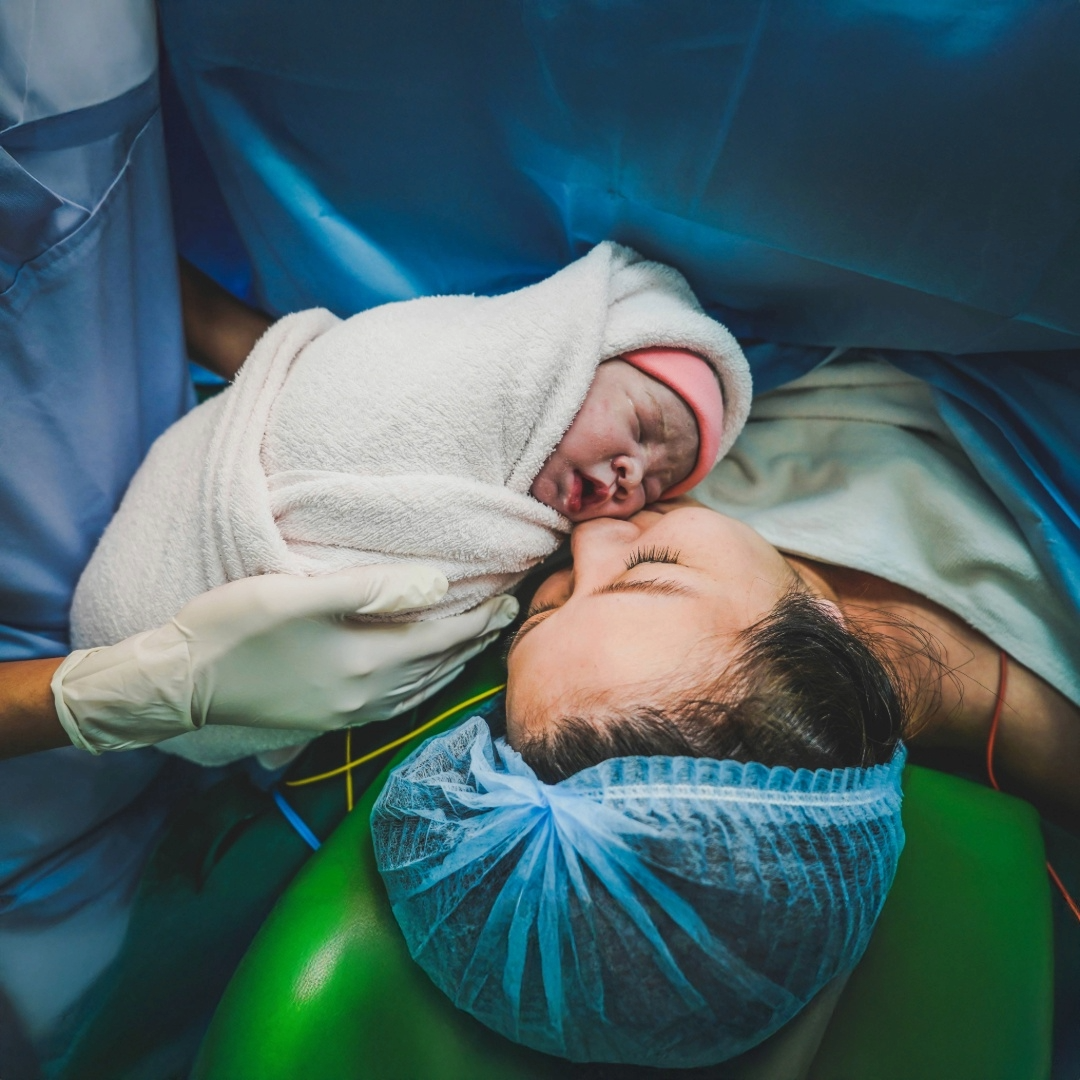

Hey guys, Aimee founder of Pippeta here! Before we dive into tips and guidance, I want to let you know that later in this blog, I’ll be sharing my own personal experience of breastfeeding after a caesarean. I know first-hand how challenging it can feel when your body and your baby are both adjusting after surgery. I felt it was so important to write this blog to reassure Mamma’s everywhere that it is possible to breastfeed after a C-section, and to provide practical, friendly advice and support based on both my own experience and the research I’ve learned along the way.
Breastfeeding After a Caesarean: Gentle Tips and Support for Mamma and Baby
Bringing your little one into the world via caesarean can feel a little different from a vaginal birth and that’s completely normal, Mamma. You might be recovering from surgery, your baby may be sleepy, and breastfeeding may not feel straightforward right away. But don’t worry you can successfully breastfeed after a C-section, and we’re here to support you every step of the way.
Understanding Caesareans
There are different types of caesareans, and knowing a bit about them can help you understand your recovery and breastfeeding journey:
- Elective (planned) C-section: Scheduled before labour begins, this type doesn’t trigger the natural oxytocin surge from labour, which can make milk let-down slower. Research shows planned C-sections are the most critical factor affecting breastfeeding, as they can delay its initiation and shorten the duration of exclusive breastfeeding.
- Emergency C-section: Sometimes needed if complications arise during labour. Your baby may have been exposed to medications or anaesthesia, which can make them drowsy and less eager to latch.
Colostrum: Your Liquid Gold
In the first few days after birth, your body produces colostrum the concentrated, golden first milk packed with antibodies and nutrients. Even tiny amounts are incredibly valuable for your newborn, helping protect against infections and supporting gut development.
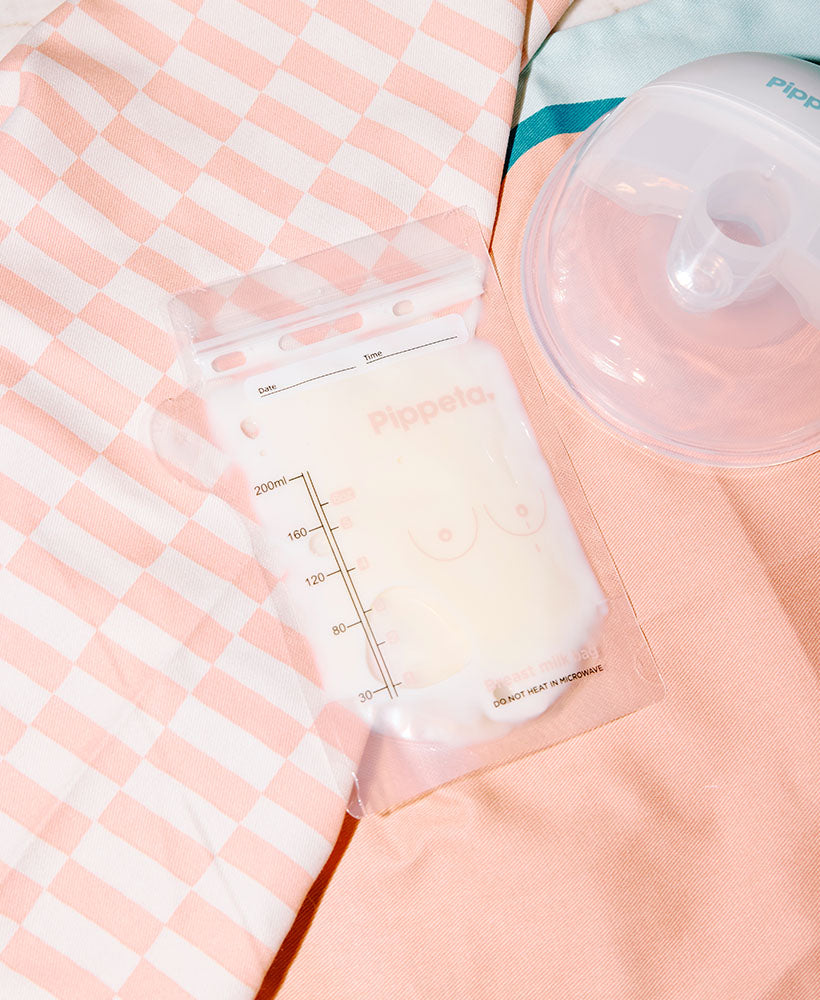
If your baby struggles to latch at first, hand expressing colostrum can be a lifesaver. You can collect it in a syringe, cup, or directly on your nipple to make sure your baby is getting this precious first milk. Many Mamma’s find hand expressing empowering, especially when mobility is limited after surgery.
If you have a planned C-section it may be useful to collect some colostrum prior to going into hospital to deliver your baby. Here is a guide written by one of our independent experts on how to safely collect colostrum. Read Here
Why Breastfeeding May Feel Tricky
Several factors can make breastfeeding after a C-section more challenging:
- Delayed oxytocin release: This hormone helps your uterus contract and your milk flow, and without the surge from labour, let-down may take longer.
- Sleepy baby: Medications from surgery or labour can make your newborn drowsy, requiring gentle encouragement to feed.
- Pain and restricted movement: Incision discomfort can make positioning and holding your baby tricky.
These challenges are normal, and research strongly recommends breastfeeding initiatives for Mamma’s who have had a C-section, giving support to improve the start and duration of breastfeeding.
Comfortable Feeding Positions
Finding positions that protect your incision and support your baby is key:
- Rugby hold: Tuck your baby under your arm like a little football. This keeps them close without putting pressure on your tummy.
- Side-lying: Lie on your side with your baby facing you perfect for restful night feeds.
- Upright / sitting supported: Use pillows to support your back, arms, and baby. Comfort is everything in the early days.

Our Founder Aimee's own Experience Breastfeeding after a C-section
"Following my emergency C-section, it was tough not only getting over the shock but also finding the strength to look after my new baby. Little did I know that C-section babies can have a greater initial weight loss, and that it actually takes longer for a mother’s milk to come in not to mention the fact that I was being pumped full of medication at the time.
The pressure from the health visitor was insane, giving me constant instructions to get my baby’s weight up and sending us back and forth to the hospital for checks. It was at this point that I really leaned on my IBCLC, the amazing Maria Myres, who helped me push through, trust my gut, and understand the signs I needed to look for in my baby (e.g.wet/poo nappies).
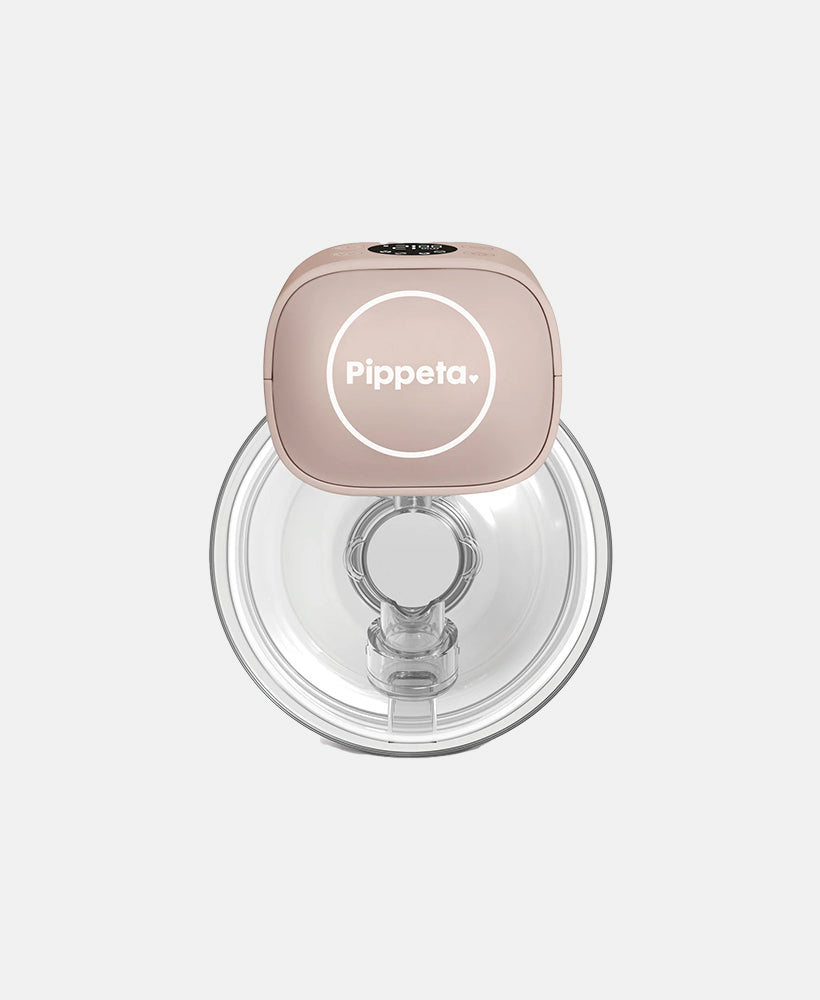
Throughout this period, my Pippeta pump was exactly what I needed to increase my milk supply, and I was also able to use it for top-up feeds.
Those challenging early days are why supporting other mammas is now woven into everything we do at Pippeta from our free IBCLC support to creating products that truly make a difference when you need it most. "
Nipple Care: Gentle Support
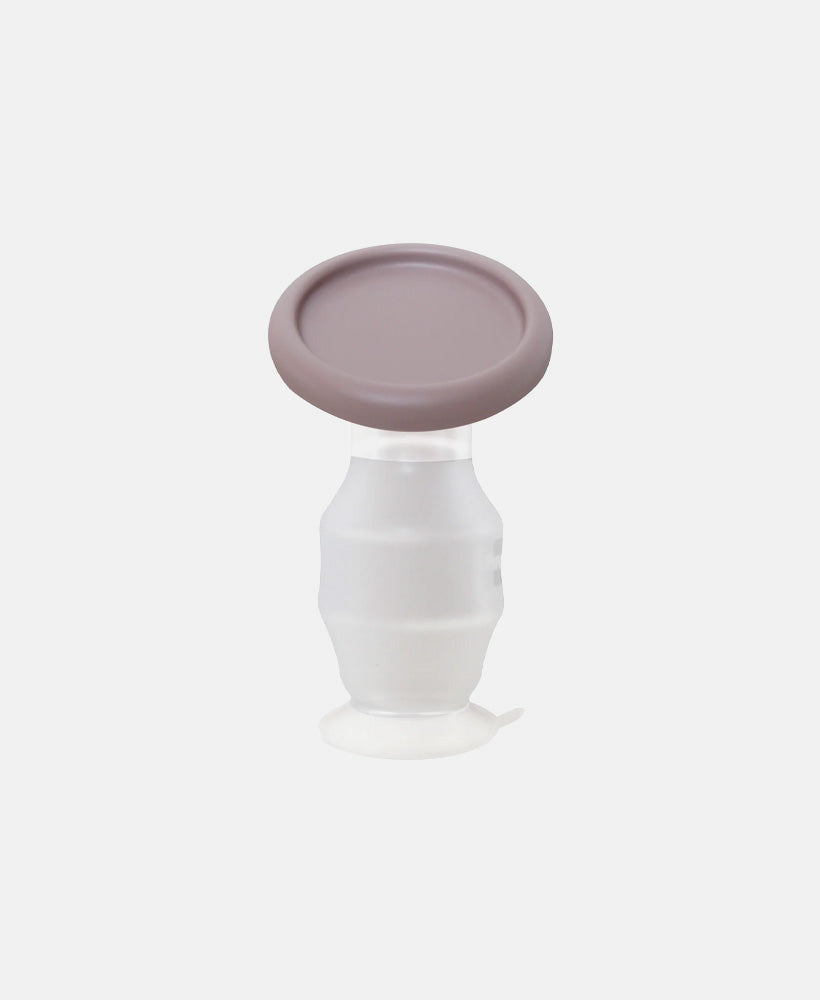
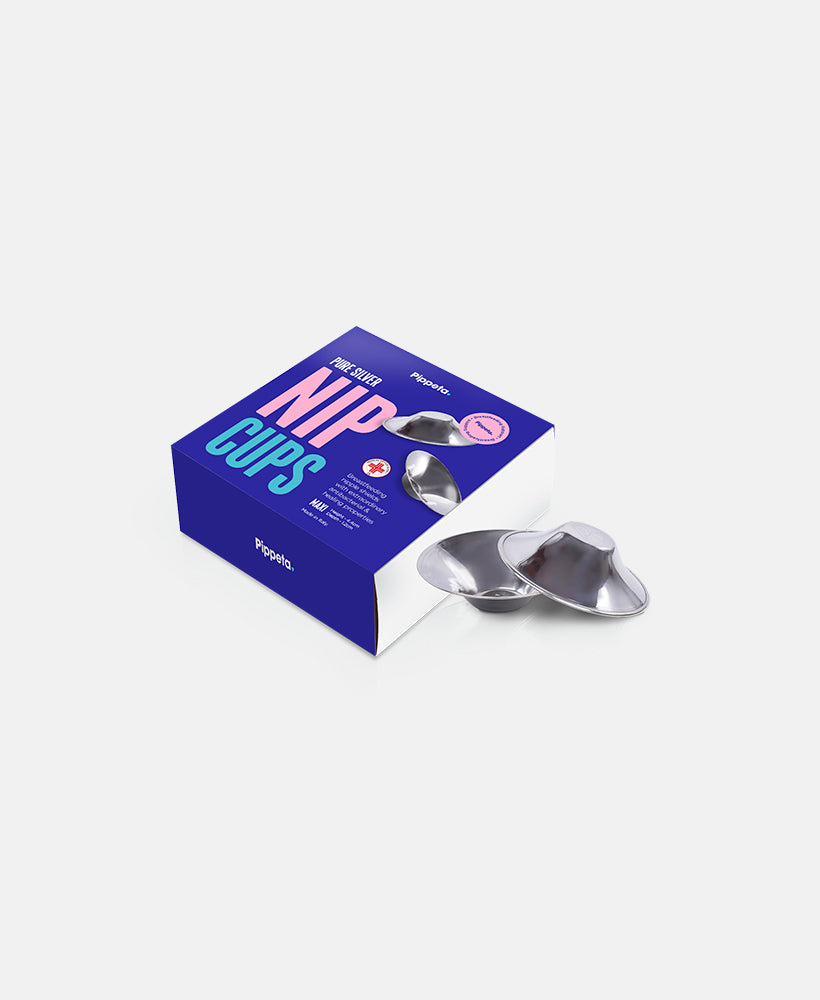
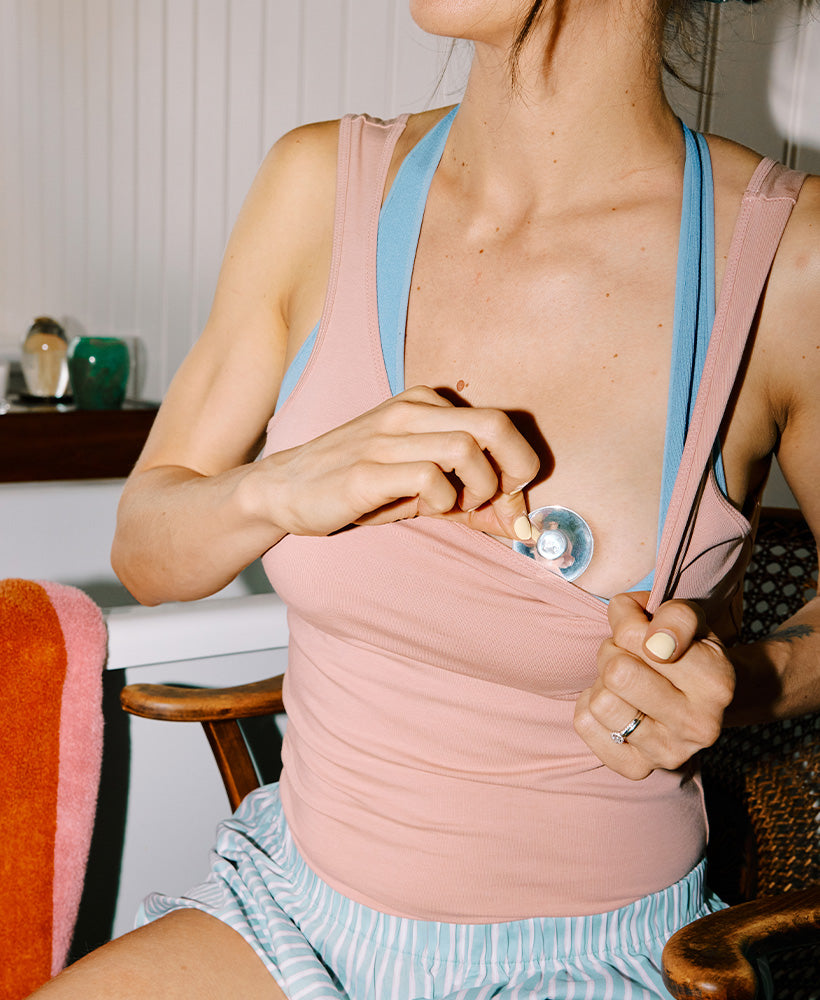
Sensitive nipples are common in the early days of breastfeeding. Silver nipple cups are designed to protect and soothe your nipples while supporting latching. They are gentle, hygienic, and perfect for Mamma’s whose baby is still learning to feed after a C-section.
Expressing and Using Breast Pumps
A breast pump can be a lifesaver for Mamma in the first few weeks, helping to:
- Build or maintain milk supply while recovering.
- Allow others to feed your baby, giving you time to rest.
- Make milk available if your baby is sleepy or struggling to latch.
Hand expressing is also highly effective, especially for colostrum, and many Mamma’s combine hand expression and pumping to feel confident in their supply.
Tips for a Smooth Breastfeeding Journey
- Feed frequently and on demand small, sleepy feeds still stimulate supply.
- Ask for help! And don't feel ashamed to need it. IBCLCs, midwives, and family or peer support can make a big difference.
- Use pillows, nursing cushions, or soft blankets to support your incision.
- Celebrate every milestone, every drop of colostrum and every successful feed counts.
Trust Your Body, Mamma
Breastfeeding after a C-section may look different than you imagined, but your body knows what to do. With patience, gentle support, and the right tools like our life saving Silver nipple cups for comfort a hospital bag must have and Pippeta breast pumps for flexibility you can nurture your baby successfully and confidently.
Take it day by day, rest when you need to, and celebrate every small win. You’ve got this, Mamma and we’re cheering you on.
Further Reading:

Reading next