It's coming...
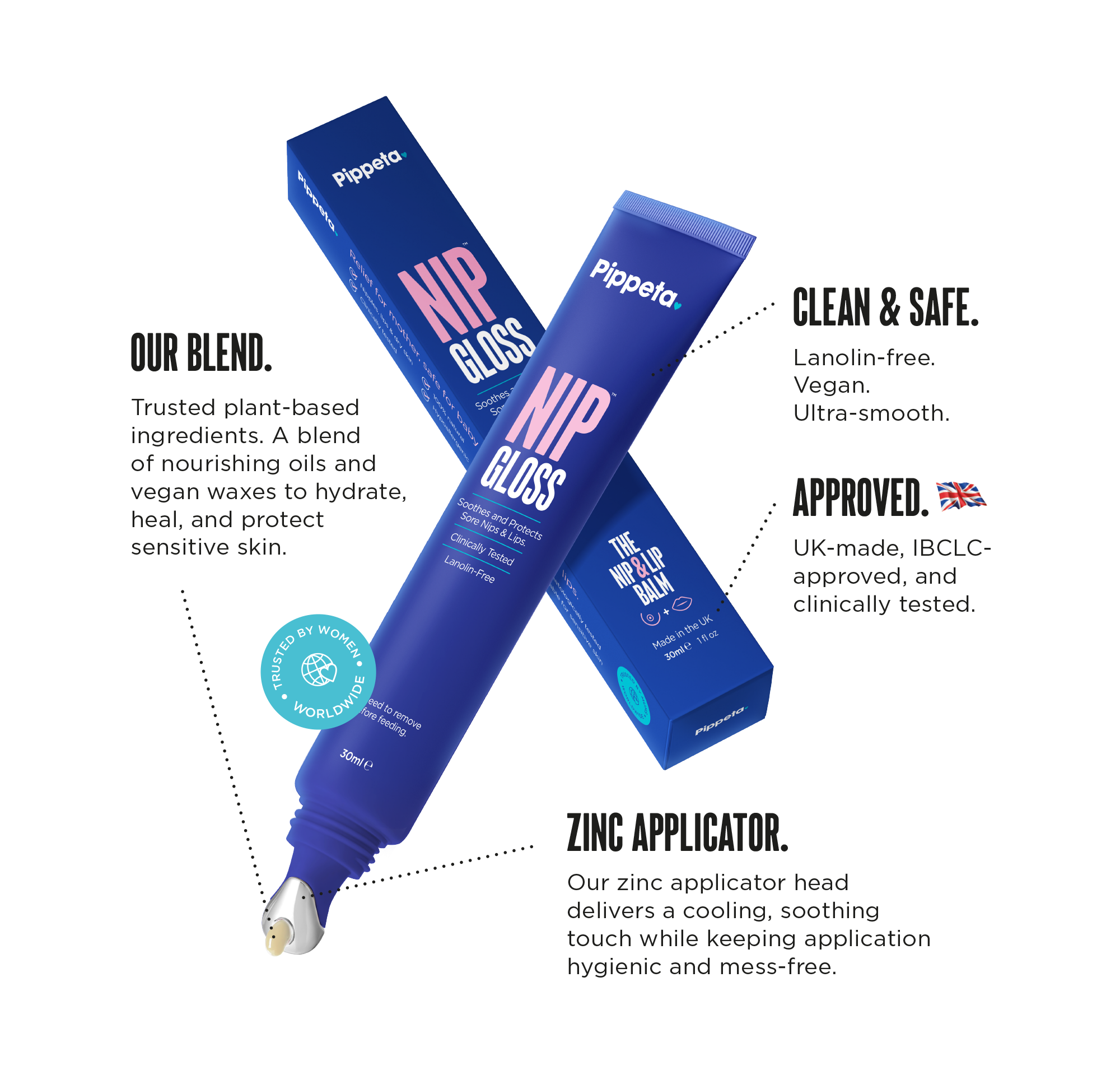
THe NIP & LIP BALM.
Breastfeeding Challenges & Milk Production: Expert Tips for New Mums
By Lauryn Middleton

The Ideal vs. The Reality
Breastfeeding is often pictured as a seamless, natural bonding experience but the reality can be much different. Many mums face challenges they didn’t anticipate, especially when it comes to milk supply.
According to recent research, around 8 in 10 mums say they stop breastfeeding before they want to, with many citing ‘insufficient milk’ as the reason.
We recognise that rising trends across social media can sometimes make the realities of breastfeeding feel even more daunting. Influencers often share posts of perfectly timed “morning pump and pour” sessions, which can create unrealistic expectations and add pressure for parents who are just getting started. It’s important to remember that everyone’s journey is different, and what you see online doesn’t reflect the full picture of daily breastfeeding life.
Here at Pippeta, we’ve also noticed that many people who purchase a breast pump contact us saying they never actually get to the point of using it as they stopped breastfeeding early on. Often, this is due to concerns about milk supply, a lack of knowledge about how to recognise sufficient milk production, and insufficient support along the way.
Understanding what’s normal, how milk production works and where to find reliable support can make your breastfeeding journey easier and help empower you so this is why we have written this blog in collaboration with our lactation experts to help manage expectations and provide reliable knowledge and support around milk supply, so you feel informed, reassured, and empowered throughout your breastfeeding journey.
Understanding Milk Supply & How It Works
The key to understanding breastfeeding challenges low supply, oversupply, or frequent feedings, is understanding the science of how milk is made. First of all it’s important to remember, every mother and baby is unique. Healthy babies instinctively signal when and how they want to feed. Milk supply works on a demand-and-supply basis. The more frequently milk is removed, whether by breastfeeding or pumping, the faster your body works to produce that milk.
Your breasts begin to prepare for breastfeeding during pregnancy. From as early as 16 weeks gestation, your breasts start making colostrum. This is thick, sticky - ‘liquid gold’ - ram-packed with amazing things for your baby: antibodies, proteins, growth factors, and special sugars called HMOs, to name but a few! This “first milk” is made in small amounts, as your baby’s tummy is very small when it’s born - but colostrum is all your baby will need in the first few days.
After you have had your baby, you will then deliver the placenta. It contains huge amounts of the hormone progesterone and acts like the brakes on your milk-making hormone prolactin. Once your placenta is delivered, your body notices a huge drop in progesterone. The brakes are off on prolactin - and milk production REALLY ramps up. This is the period of time commonly referred to as when your milk “comes in.” It’s not that you didn’t have milk to start with - but that it really starts increasing in volume, and you’ll likely begin to notice your breasts feel warmer and heavier. After feeds, your breasts should feel softer but remember, there’s no such thing as a completely “empty” breast. Milk is always being made, drop by drop, inside the breast tissue.
Your baby needs larger and larger volumes of milk until they reach a peak at around 4 weeks, when babies will take around 750ml of milk per 24 hours – and keep this up until about 6 months old! (Breastfeeding Network: https://www.breastfeedingnetwork.org.uk/exclusive-expressing-your-questions-answered/)
At 4–6 weeks, your supply is governed by the demand-and-supply system. Every time milk is removed – by breastfeeding or expressing – your body gets the message to make more. If milk stays in the breast for long periods, production naturally slows down. The more regularly milk is taken out, the more milk is made.
This is why those first few weeks are so crucial – getting the right support if you have any breastfeeding challenges makes all the difference.
How to know things are going well!
Unlike bottle feeding, your breasts don’t have little ‘measuring lines’ on them - but there are other signs we can use to show the babies are getting all they need from the breast. Milk supply naturally varies throughout the day. During growth spurts, babies may feed more often or cluster feed, while at other times they’ll feed less. Since milk production works on a demand-and-supplybasis, your body adjusts to match their required intake. Instead of focusing on breast pump output or ounces, look for the signs that matter:
- Baby’s feeding cues
- Number of wet and dirty diapers
- Overall growth and weight gain
To read more on this subject please read our recent blog: Signs Your Baby is Getting Enough Breast Milk: A Guide for New Mums
Common Breastfeeding Challenges
Perceived Insufficient Milk Supply (PIMS)
Many mothers worry they aren’t producing enough milk, even when they are. PIMS is a leading reason for early weaning and discontinued breastfeeding.
Other Challenges Include:
- Sore nipples or poor latch
- Engorgement or blocked ducts
- Mastitis or breast infections
- Tongue tie
Pippeta’s Top Tip: Seek support from lactation consultants or local breastfeeding groups to address these issues safely and effectively.
Supporting and Boosting Milk Supply
Practical ways to support and maintain milk supply include:
- Aim to feed your baby only breast milk: frequent breastfeeding helps naturally increase your milk supply.
- Frequent feeding or pumping: 8–12 sessions in 24 hours
- Skin-to-skin contact: Encourages let-down and bonding
- Positioning and attaching baby well: This will mean baby latches deeply ensuring efficient and effective milk removal
- Delay introducing a dummy: this helps prevent your baby missing feeds and helps you recognise your baby’s natural feeding cues
For professional guidance, check the NHS Milk Supply Guidance.
When to Seek Help
Contact a healthcare professional if you notice:
- Pain in your breast or nipples are Persistent pain during or after breastfeeding
- Baby isn’t gaining weight appropriately
- Baby has fewer wet and dirty nappies for their age
The earlier you get effective support will make a significant difference in addressing any milk supply issues you are facing, along with any other feeding challenges.
Did you know? Pippeta offer free lactation support with every breast pump purchase, this is our commitment to ensuring every mum gets the support and advice they deserve when they need it you can find out more about this here.
Final Thoughts
So, there you have it, hopefully you now are empowered to recognise how your body makes all this amazing milk, reassuring signs your milk supply is on track for the weeks, months and years ahead, signs that you need a little bit more TLC, and who you can seek out to help you get back on track.
Remember, every breastfeeding journey is unique and breastfeeding challenges, especially around milk production are common, and support IS available. By understanding your body, getting the right support, at the earliest opportunity,, and staying informed, you can enjoy your breastfeeding journey knowing you are doing something incredible for both yourself and your baby.

Reading next