It's coming...
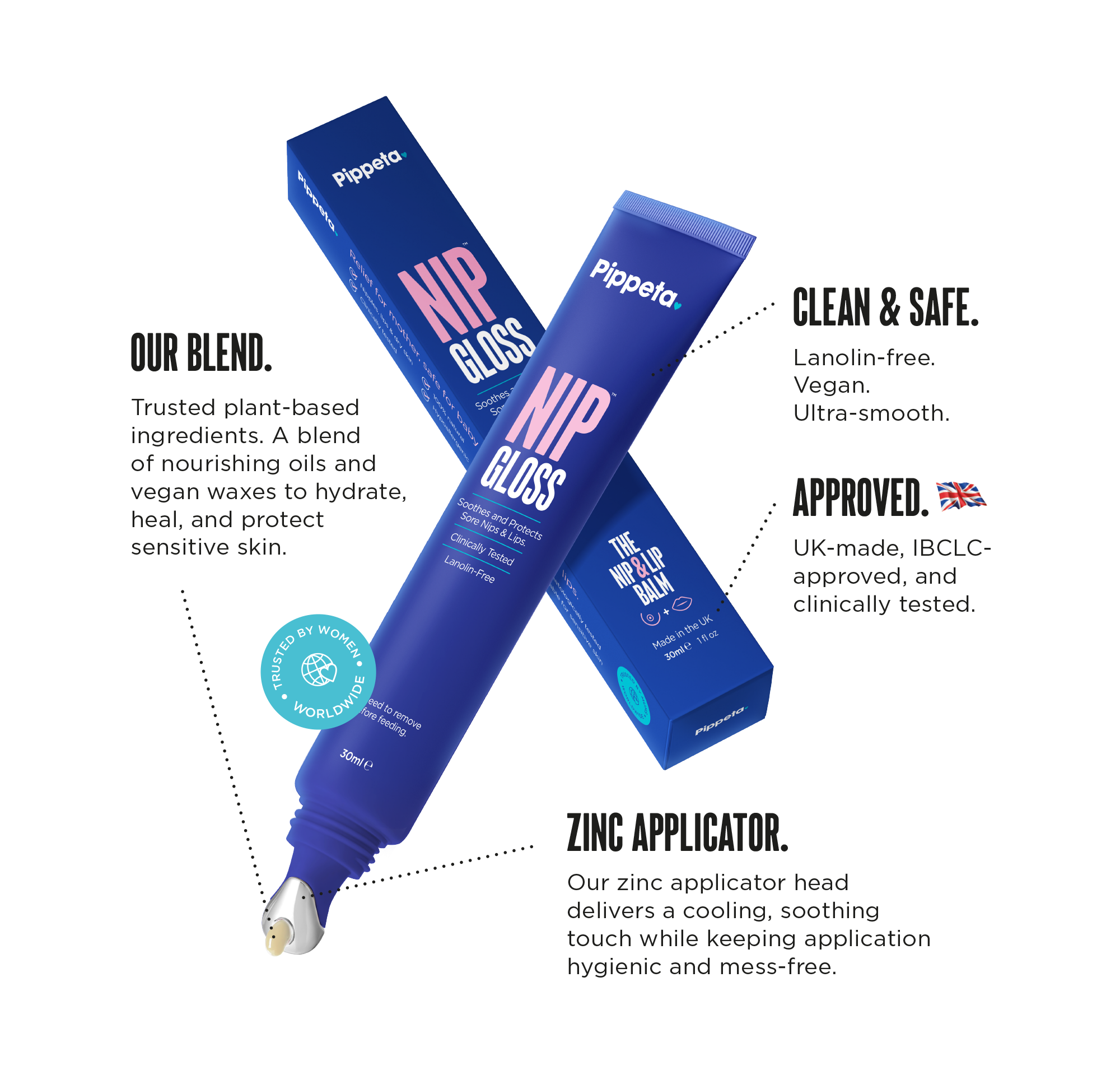
THe NIP & LIP BALM.
The Complete Guide to Sterilising and Storing Bottles & Breast Pump Parts
By Lauryn Middleton

Keeping your baby’s feeding equipment clean and safe is one of the most important parts of a breastfeeding and pumping routine.
Proper sterilisation and storage of bottles, breast pump parts, and breastfeeding accessories protects your little one from harmful germs and ensures every feed is as safe as possible.
Whether you’re exclusively breastfeeding, bottle-feeding expressed milk, or combining both, understanding how to clean, sterilise, and store your breastfeeding equipment can make your routine easier, more efficient, and more reassuring.
When it comes to your Pippeta breast pump, sterilising is refreshingly simple! Your Pippeta pump has fewer parts than many traditional breast pumps, making cleaning and sterilising much easier to manage. The cup parts that come into contact with your breast milk should be disassembled and sterilised regularly using your preferred method.
Here's an important note: never wash or sterilise the motor unit! Those clever electronic components that make your breastfeeding journey easier need to stay dry. Simply wipe the motor down with a clean, damp cloth when needed. With fewer parts to worry about and straightforward care instructions, your Pippeta breast pump takes the fuss out of maintaining clean, safe pumping equipment.
Why Sterilising Bottles and Pump Parts Matters
Babies’ immune systems are still developing, making them more susceptible to harmful bacteria. Regular sterilisation:
- Reduces the risk of infections caused by germs on feeding equipment.
- Ensures breast milk remains safe for every feed.
- Supports good hygiene habits that can continue throughout your child’s first year.
In the UK, the NHS recommends regularly sterilising storage bottles, breast pump parts, and accessories until babies are at least 12 months old.
Choosing the Right Steriliser
With so many sterilisers and steam steriliser-dryers on the market, it can be hard to know which one to choose. Thankfully, this decision is made easier with solutions like the Baby Brezza SuperFast Steriliser Dryer, the fastest appliance on the UK market to complete a full sterilising and drying cycle in just 10 minutes compared to the 40+ minutes required by many others.
Key features include:
- Holds 6 bottles and 2 full breast pump sets, including wearables
- Compatible with plastic, silicone, and glass
- Perfect for busy parents who want efficient, reliable sterilisation
Cleaning Before Sterilising
Sterilising alone isn’t enough bottles and pump parts still require hand scrubbing with a bottle brush before being placed in the steriliser. Babies typically feed 8–10 times per day, and mums may pump just as frequently, making this chore feel overwhelming.
The Baby Brezza Bottle Washer Pro solves this problem by automatically washing, sterilising, and drying storage bottles, breast pump parts, and accessories, reducing manual cleaning and saving time for busy parents.
With these solutions from Baby Brezza, you can enjoy peace of mind knowing your baby’s feeding gear is always spotless, safe, and ready for the next feed leaving more time for what truly matters.
Storing Bottles and Pump Parts Safely
Once cleaned and sterilised, bottles and pump parts should be:
- Stored in a clean, covered container or cupboard to prevent contamination
- Kept away from kitchen sinks or areas with high bacteria exposure
- Used within a safe timeframe generally within 24 hours if prepared in advance
Always check for cracks, wear, or residue before each use to ensure your baby’s feeding equipment remains safe.
Final Thoughts
Maintaining a clean, sterilised, and well-stored feeding routine doesn’t need to be stressful. With the right equipment and techniques, you can make this essential task quick, easy, and effective supporting a safe, happy feeding experience for both you and your baby.
If you're looking to enhance your breastfeeding routine, check out Pippeta and Baby Brezza’s detailed guide on Pumping, Storing & Warming Breast Milk You'll find valuable insights on safely storing milk, best practices for pumping, and tips for warming breast milk to the perfect temperature.

Reading next