
If you thought you’d settled into a calm breastfeeding routine and then your little one starts wanting the boob every 30–45 minutes for what feels like forever, congratulations, you’ve probably hit cluster feeding season. It’s normal, it’s temporary, and yes it can feel relentless. But don’t worry mamma, understanding what’s going on will help you ride this out.
In this blog, we will break down what cluster feeding is, when and why it happens, how long it lasts, plus we’ve thrown in some practical coping hacks to get you out of the other side.
What Exactly Is Cluster Feeding?
Cluster feeding is when your baby wants to nurse frequently. Short sessions back-to-back over a span of time. It’s not just “hungry more often”; it’s more like “I want boob, snack, boob again… several times in a row.”
- It often peaks in the late afternoon or evening hours (“the witching hour”)
- Sessions may happen every 20–60 minutes for a stretch of 2–4 hours (sometimes longer)
- You’ll feel like you're feeding constantly switching sides, pausing and resuming, trying to settle but rarely getting a long break
When Does Cluster Feeding Show Up?
Cluster feeding pops up unpredictably, but there are patterns to watch for:
First 1–3 weeks postpartum
Babies already feed often, and cluster feeding can feel like “back to square one”
Their stomachs are tiny; fussiness and frequent feeding are natural
Growth spurts (~3 wks, 6 wks, 3 mo, 6 mo)
Clusters may last a little longer but no more than a few days
Baby is demanding more calories and your body is adjusting supply
Evening / late afternoon
Many cluster sessions occur then
Babies often get fussier in the evening and use nursing for comfort
The important thing? Cluster feeding comes and goes. It doesn’t last forever. Many mums see it fade around 3 months (though evening nursing may linger).
Why Do Babies Cluster Feed?
Understanding the “why” can help you feel more confident during those intense hours.
It’s about demand-signal
Your body responds to what baby asks for. The more frequently baby nurses, the more stimulus for milk production. Cluster feeding helps boost supply to meet baby’s needs.
Comfort, closeness & soothing
Sometimes baby wants to nurse not because of hunger, but for emotional regulation. The sucking, skin contact, and rhythm help them calm.
Fueling developmental work & growth
In phases when baby’s brain, body, or motor skills are developing, extra calories can help. Cluster feeding often precedes growth spurts.
Evening supply dip
Some mums notice that their milk flow is lighter in the evenings, so baby “top-ups” more often to get enough.
How Long Does a Cluster Feeding Period Last?
Here’s what to expect:
- A single cluster session may last 2–4 hours (or sometimes longer) in one block
- The entire cluster phase (during a growth spurt) might go on 2–3 days although more than 2 days is usually quite rare.
- Throughout baby’s first 3–4 months, cluster feeding may show up off and on
- Once feeding patterns mature and your supply stabilizes, cluster sessions tend to become shorter and less frequent
Signs Baby Is Getting Enough (Despite All That Fuss)
The constant nursing can make you worry if anything is “wrong.” Here are some useful indicators to help reassure yourself:
- Regular wet & dirty nappies — in early weeks, aim for ~6+ wet nappies a day and multiple dirty ones La Leche League GB
- Steady weight gain over time (your health visitor will monitor this)
- Swallowing sounds during feeds, and baby seems content after nursing
- Some periods of calm / rest between cluster bursts
- Baby shows hunger cues (rooting, lip smacking) and then settles
If baby is always unsettled, producing fewer nappies, or you see signs of dehydration or low weight gain, it’s worth getting extra support from a lactation consultant or health professional.
Coping Strategies: You’ve Got This
Cluster feeding is exhausting but you can take steps to make it more bearable (and even reclaim a little sanity).
1. Create a “Feeding Sanctuary”
Set yourself up for comfort and survival mode:
- A comfy chair with good back & arm support
- A breastfeeding pillow
- Snacks, water bottle, remote, phone charger, maybe a tablet or book all within arm’s reach
- Muslin cloths, nipple balm, tissues
- If you have others at home: let them prep meals, do dishes, help with older sibling care
2. Nap When Baby Naps
This may sounds cliché, but during cluster feeding periods, resting when you can even 10 minutes will help. Let go of non-urgent chores. This is short-term survival mode, not a forever lifestyle.
3. Stay Fuelled & Hydrated
Your body is working overtime:
- Keep a big water bottle nearby
- Snack on easy one-handed food: nuts, cereal bars, cut fruit, toast, etc.
- Eat mini meals when you can
- Avoid skipping meals (your energy matters too)
4. Rotate Positions, Switch Sides
If baby seems tired or fussy on one side, switch sides. Or try a different feeding position (side-lying, laid-back, football hold) to ease strain.
5. Protect Your Nipples
Frequent feeding increases the risk of soreness. Mitigate it by:
- Prioritising a deep, effective latch
- Using nipple cream (choose brand-safe, nipple-safe ones)
- Air-drying when possible
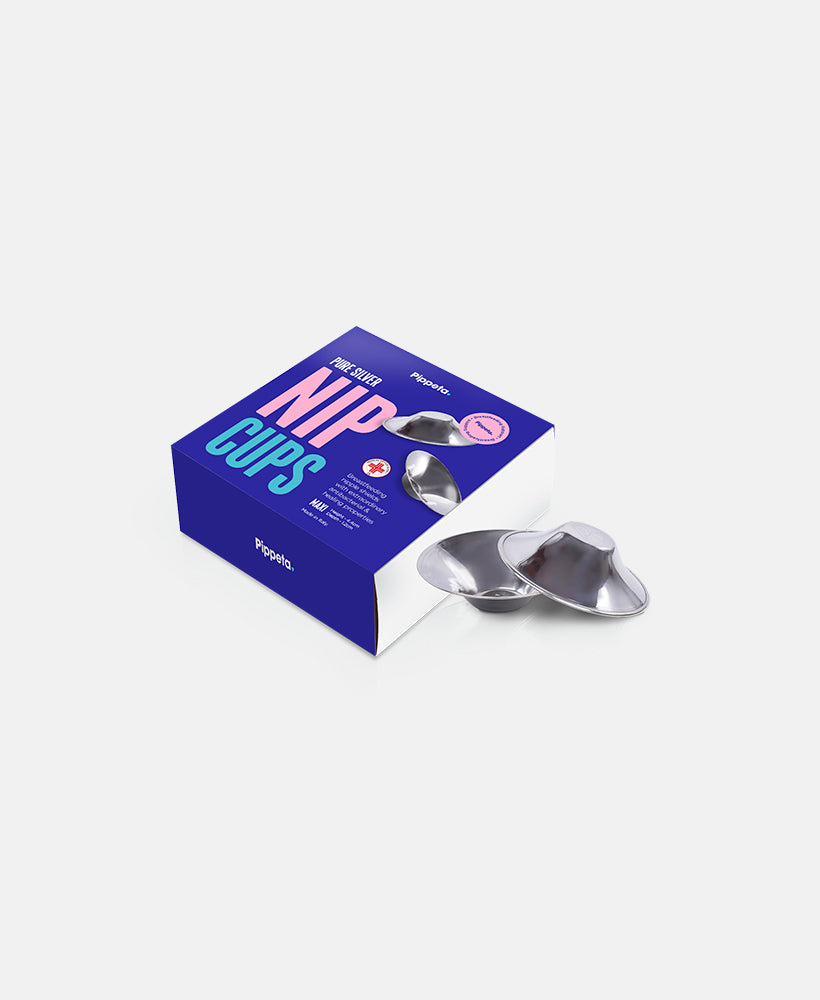
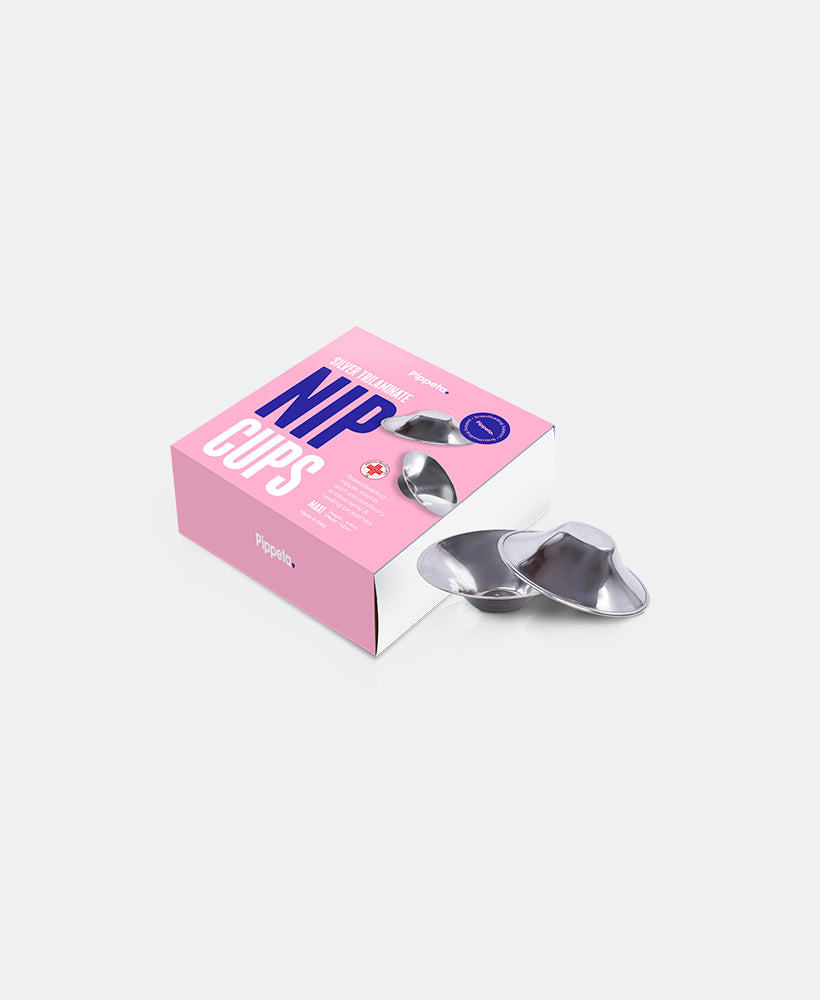
- Using Pippeta Silver Nip Cups in between feeds
6. Enlist Help with Everything Else
This phase demands a lot of you. Where possible, try to let others:
- Cook or order dinner
- Fold laundry, wash dishes, care for pets
- Mind older kids
- Run errands
Your only job during cluster times is to feed, rest, and take care of YOU.
7. Use Gentle Distraction / Soothing Tactics
Sometimes baby just needs a little help settling. Gentle swaying, walking, skin-to-skin contact, white noise, or soft music can help but if baby insists on nursing, go with the flow rather than resisting.


When It’s Not Just “Normal”
Cluster feeding is expected but there are moments when it’s smart to ask for help or seek advice from a professional:
- Baby’s weight gain is slowing or plateauing
- Nappy output drops significantly
- Baby seems lethargic or very weak
- Feeds are painful, latch is damaged, or nipples bleeding
- You feel overwhelmed, depressed, or anxious
If any of these ring true, reach out (midwife, health visitor, lactation consultant). You don’t have to do this alone Mamma.
Myths, Misconceptions & What Not to Worry About
Myth: Cluster feeding means your supply is too low.
Truth: Usually cluster feeding boosts supply, not reduces it. As long as baby gets enough overall milk, supply adapts.
Myth: If baby asks to feed too often, you’re “doing it wrong.”
Truth: Babies aren’t bound by a rigid feeding schedule especially newborns. Trying to stretch them before their body is ready can backfire. UNICEF UK
Myth: You must “push through” alone.
Truth: Asking for help is strength, not weakness. Support can make all the difference in how you feel during this intense time. BioMed Central
Cluster Feeding Take Aways
Remind yourself of this when you’re stuck nursing for what feels like the hundredth time in an hour. Cluster feeding is hard, but it’s temporary, it’s just a phase. Your baby is growing. You will get through this.
Use your tools, ask for help when you need it, listen to your body, and trust that your baby and body are doing exactly what they’re supposed to do.

Reading next