It's coming...
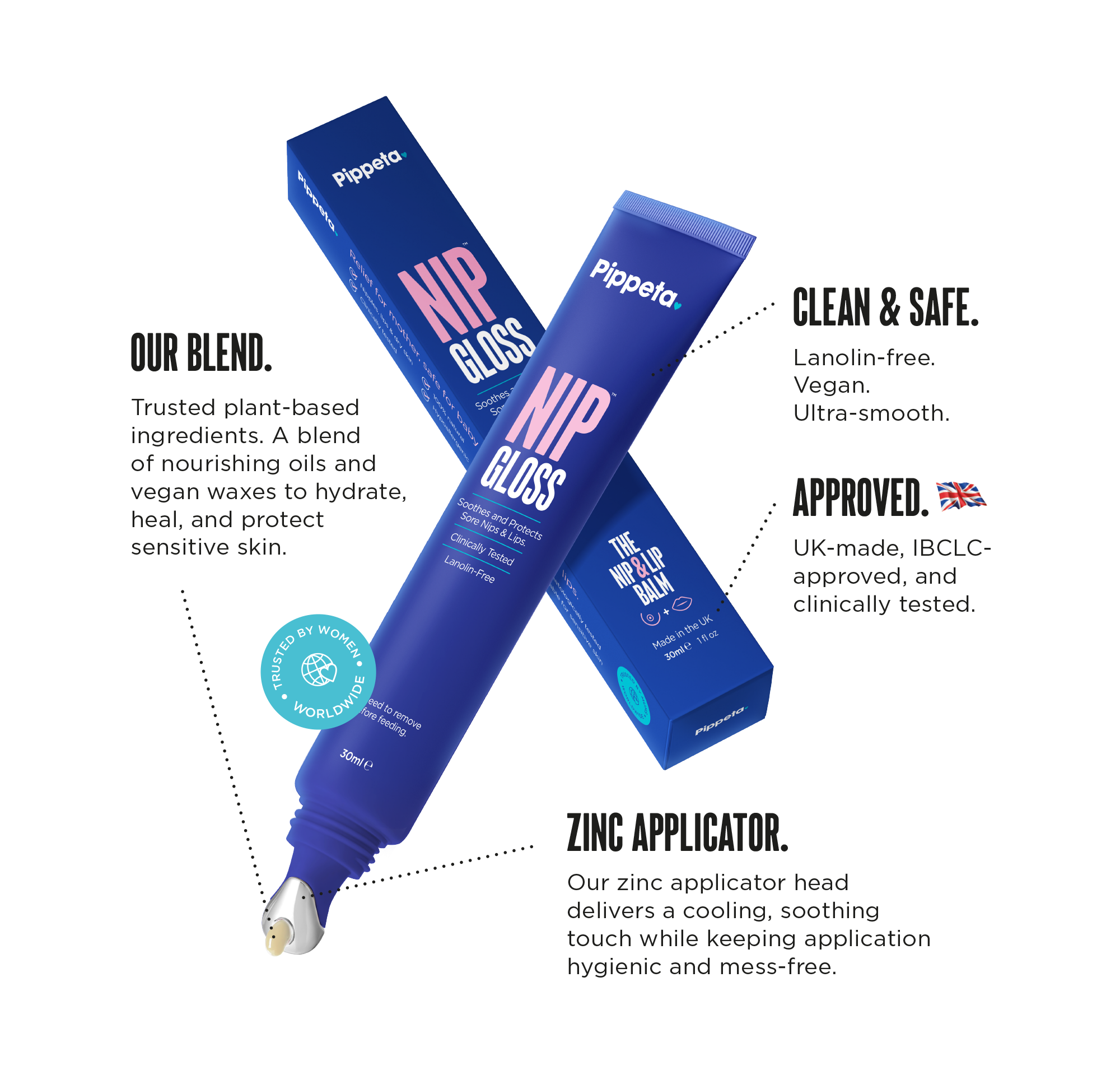
THe NIP & LIP BALM.

More Than Just Milk
Breast milk is often called liquid gold and for good reason. It’s not simply food; it’s comfort, protection and connection in every feed. Whether you’re pregnant and preparing for breastfeeding, or already actively feeding, understanding what’s actually in breast milk can help you feel informed and confident about your feeding journey. Within this blog we will discuss what’s inside breast milk and the science behind it, how breast milk changes over time and adapts to your baby's needs and how to support healthy milk production.
The Science Behind Breast Milk: What’s Inside?
Breast milk is a living, adaptive substance designed to meet your baby’s needs at every stage. It changes in composition over time, and even throughout a single feed. Here’s what it contains and why each component matters.
1. Water
- Makes up around 87% of mature breast milk
- Keeps your baby hydrated and helps regulate body temperature
- Carries essential nutrients throughout the body
2. Carbohydrates (Mainly Lactose)
- Roughly 7% of breast milk is carbohydrate, primarily lactose
- Provides energy for rapid growth and brain development
- Helps with the absorption of minerals such as calcium and magnesium
3. Fats
- Around 3.5–4.5% of mature milk
- Includes essential fatty acids such as DHA and ARA, which support brain and eye development
- Fat content naturally increases as a feed continues, providing a rich, satisfying “hindmilk”
4. Proteins
- Approximately 1% of breast milk, but vital for growth and immunity
- Contains whey and casein proteins, along with immune proteins such as lactoferrin and immunoglobulins (IgA)
- Supports muscle and tissue development, while protecting against infections
5. Vitamins and Minerals
- Provides vitamins A, C, D, E, K and B-complex, plus minerals including calcium, iron, zinc and phosphorus
- Some nutrients depend on the mother’s diet, particularly Vitamin D
- Supports bone development, immune function and overall growth
Pippeta's Top Tip: Many UK healthcare providers recommend Vitamin D supplements for breastfeeding mothers and babies.
Our Mamma Power Vitamin Patches contain Pro-Vitamin D3 100mcg and are safe for breastfeeding mums.
6. Immune Boosters
Breast milk is rich in bioactive components that protect your baby from illness.
- Antibodies (IgA, IgG, IgM) target bacteria and viruses
- Lactoferrin and lysozyme help destroy harmful microbes
- Cytokines and growth factors support gut health and immune development
7. The Living Microbiome
- Breast milk contains beneficial bacteria that help seed your baby’s gut
- Includes Human Milk Oligosaccharides (HMOs) – special sugars that feed good bacteria and strengthen the immune system
8. Stem Cells
Breast milk contains live stem cells capable of transforming into different cell types, potentially supporting tissue growth and repair.
How Breast Milk Changes Over Time
- Colostrum (Days 1–3): Thick and golden, high in protein and antibodies, offering concentrated immune protection.
- Transitional Milk (Days 4–14): Higher in lactose and fat, supporting your baby’s increasing energy needs.
- Mature Milk (After 2 -3 weeks): Stable in composition but subtly adjusts depending on time of day, feed duration and your baby’s stage of growth.
Why It Matters: Benefits for Baby and Mother
- Immune protection: Breastfed babies are less likely to develop respiratory infections, ear infections or stomach upsets.
- Brain development: Fats and lactose in breast milk play a key role in cognitive and sensory growth.
- Gut health: HMOs support a balanced gut microbiome and healthy digestion.
- Bonding: Breastfeeding releases oxytocin, helping you and your baby feel calm and connected.
- Long-term health: Studies suggest breastfeeding may reduce risks of obesity, cancer, type 2 diabetes and allergies later in life.
Supporting Healthy Milk Production
Your body is designed to make the perfect milk for your baby, but there are simple ways to support supply and comfort:
- Stay hydrated with plenty of water throughout the day
- Eat a balanced diet rich in healthy fats and whole foods
- Rest and recover whenever possible
- Feed or express regularly to maintain supply
- Use a comfortable, efficient breast pump such as the Pippeta Handsfree Pump to ensure you can feed baby breast milk as long as possible even after returning to work and baby starting solids.
A Little Reminder from Pippeta
Breast milk is one of nature’s most remarkable creations a dynamic, living source of nutrition, protection and comfort. Whether you’re breastfeeding, pumping or combination feeding, remember that every feed makes a difference.
At Pippeta, we’re here to help you feel supported and informed with award-winning breast pumps, gentle breastfeeding accessories and real guidance from experts who understand what modern motherhood looks like. It takes a village to raise a family. Think of us as your neighbours.
Shop the full breastfeeding collection here
Further Reading
Components of Human Breast Milk: From Macronutrient to Microbiome and microRNA – PubMed (2020)
Human Milk Composition and Fat Variability – NCBI
Human Breast Milk: Bioactive Components and Health Outcomes – PubMed (2020)
Components of Human Breast Milk: From Macronutrient to Microbiome – PubMed

Reading next